
By: Hannah Hesford | July 23, 2026
There’s something so special about hearing a place through someone else’s eyes.
So we’re trying something new.
Reclaim Stories is our little corner of the internet where guests can tell their stories, exactly as they experienced them.
The bits that stuck with them. The unexpected conversations. The songs they still can’t hear without being transported back. The places they’d go back to in a heartbeat.
First up is East Hokkaido. When we announced this brand-new retreat, Nick and Sarah didn’t need much convincing. Having already fallen for rural Japan on one of our earlier adventures, they were more than ready to see another side of the country.
Here’s their story.
A week in Japan’s wild north
We have a hankering for high latitudes and a yen (sorry…!) for exploring rural Japan.
That yen was first awakened by a previous Reclaim Yourself trip to Kunisaki: best described as a revelatory encounter with Zen Buddhist meditation in an 8th century temple, the most beautiful (and beautifully empty) Kyushu countryside, the best soba noodles you’ve ever tasted – and lots of yoga, of course, which managed to stretch both body and mind.
So when we saw east Hokkaido added to the itinerary, we needed no prompting.
We rendezvoused in Tokyo before flying north, where everything immediately felt calmer. The pace slowed, the crowds disappeared, and endless landscapes replaced dense city skylines. Over the course of a week, we travelled through wetlands and ancient forests, up smouldering volcanoes, besides crystal-clear lakes, and along dramatic coastlines, all matched with a wonderfully-balanced programme of yoga, hiking, incredible food and restorative onsen baths.
Most mornings and evenings started with yoga led by Zephyr Wildman. Each class was thoughtfully structured, and initially designed to restore us from jet lag. The sessions felt welcoming, inspiring and deeply grounding.
Wild places
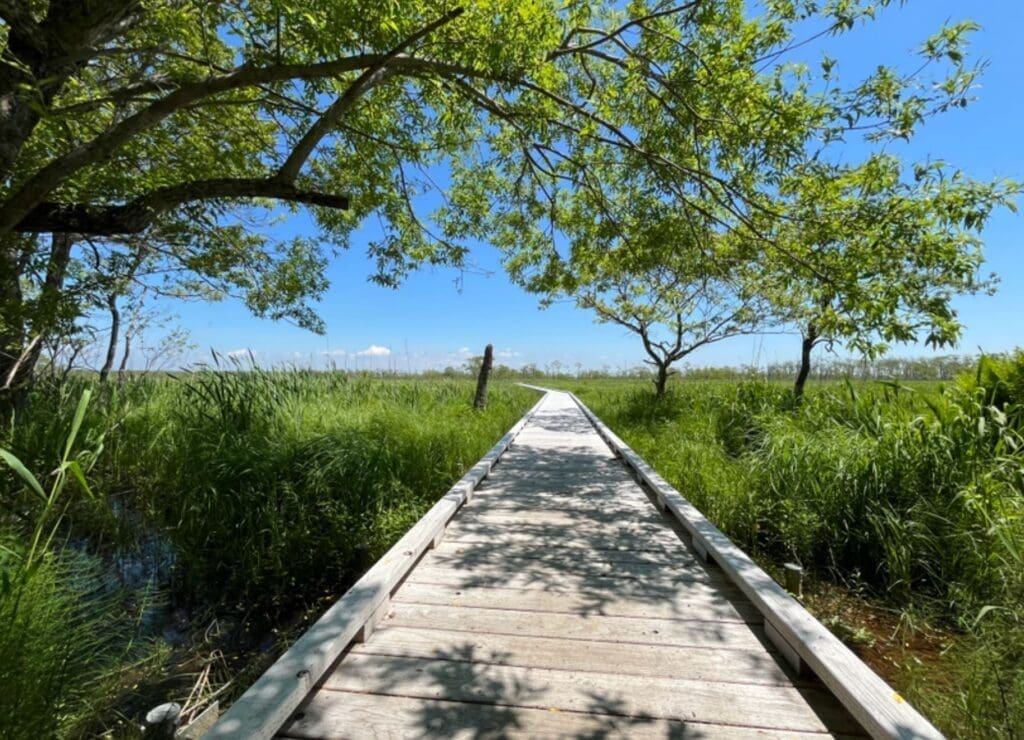
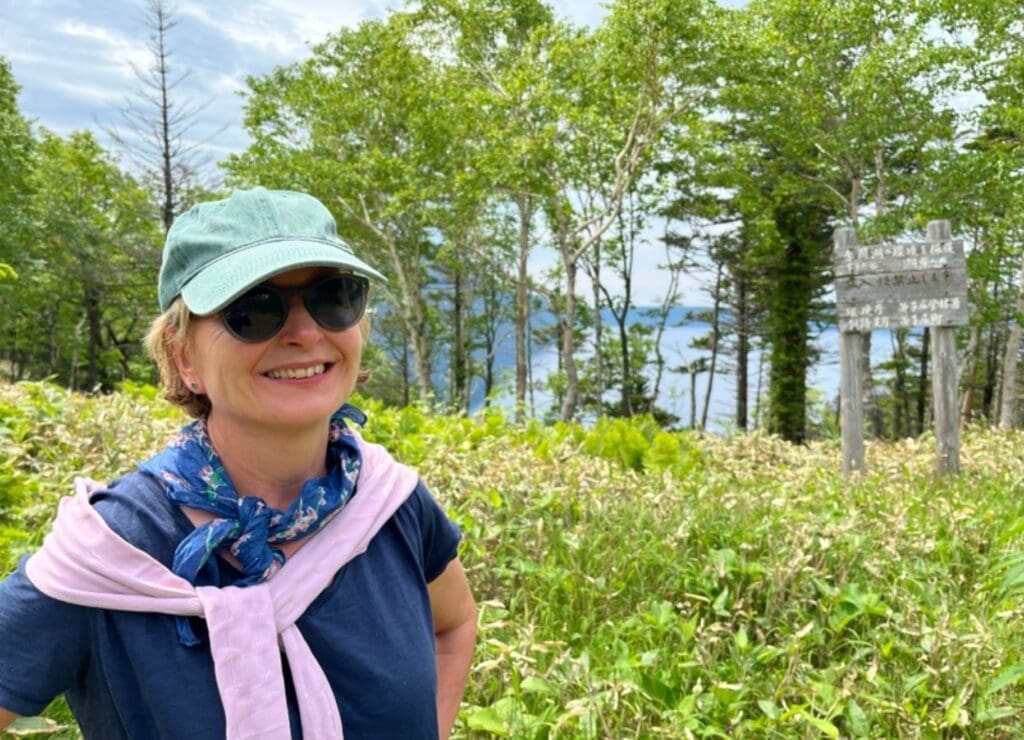
Exploring Kushiro Shitsugen National Park, Japan’s largest wetland, on our first day gave us a taste of what was to come. Following boardwalk trails with panoramic views across the marshes felt almost meditative. After lunch we took a forest trail to the edge of Lake Onneto beneath the still-active Mount Meakan – and finished our walk with a black sesame ice cream at the lakeside cafe.
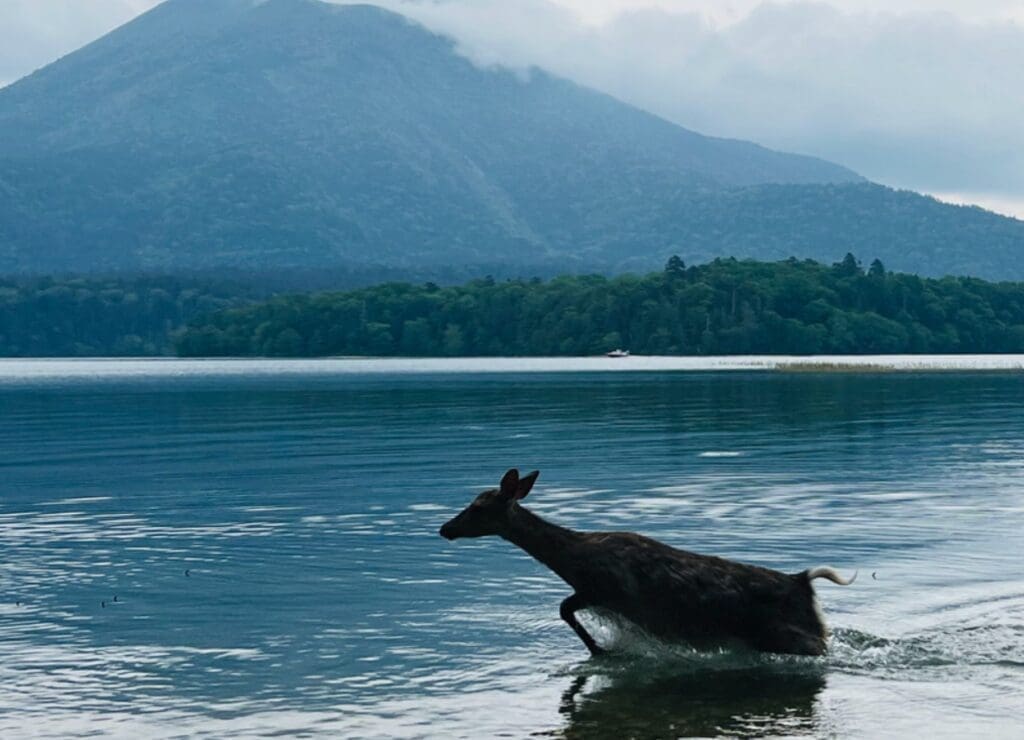
Our guides were excellent in attuning us to the abundant local wildlife. Walking around Lake Akan – with wild deer wading at the edge – was peaceful beyond words. Learning about the region’s Ainu heritage added another layer of appreciation.
Back at our accommodation each evening, we enjoyed another highlight of our stay: Japan’s onsen culture and the restorative ritual of soaking in mineral-rich water after a day’s hike. Combined with painstakingly-prepared Japanese meals, with fresh local seafood and seasonal ingredients, every evening was a treat.
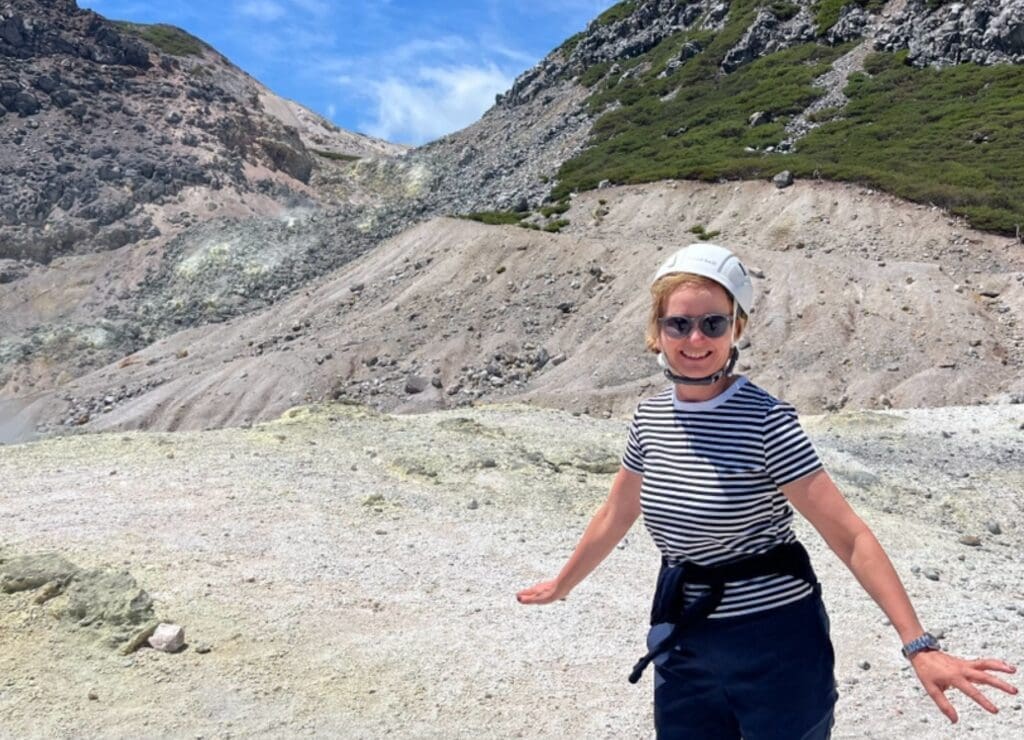
The next day we donned hard hats and hiked up Atosa Nupuri, an active volcano. The smell of sulphur and steam billowing from bright yellow fumaroles made for an otherworldly landscape. One moment we were surrounded by forests, and in the next it felt like we’d stepped onto another planet. Our guide was an expert local seismologist, and was able to take us along trails where the public was not allowed.
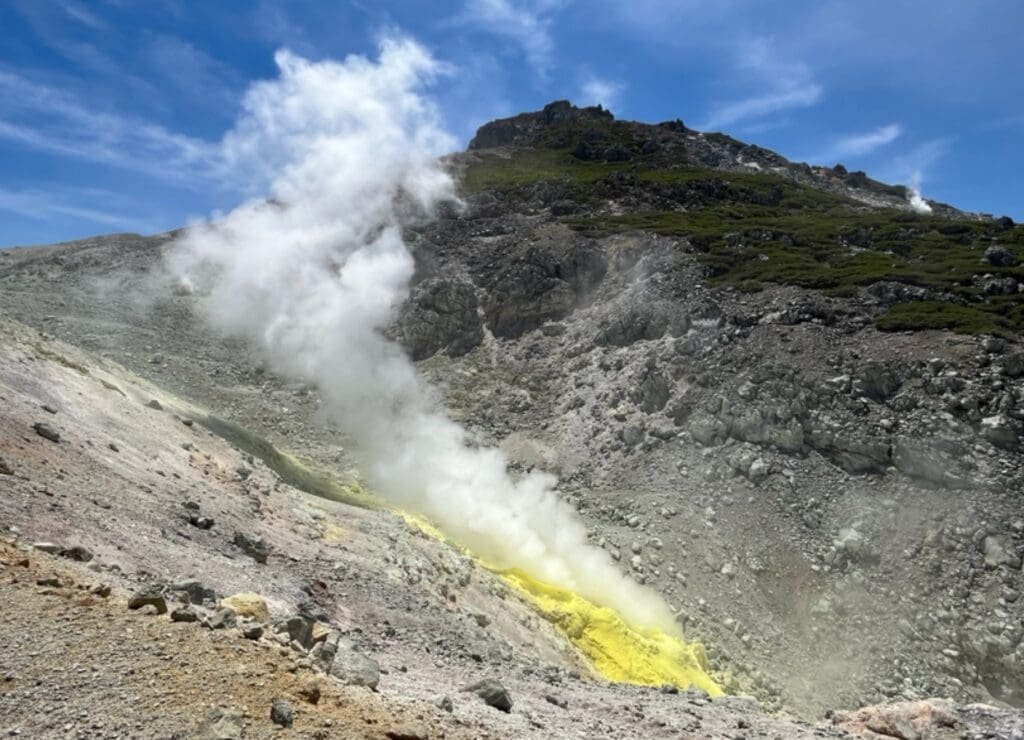
The natural beauty continued with Lake Mashu, renowned for some of the clearest fresh water in the world. The transparent blue-green depths were breathtaking. We descended through forest to the magical Kaminoko-ike pond (meaning “child of the gods”), filled with crystalline spring water.
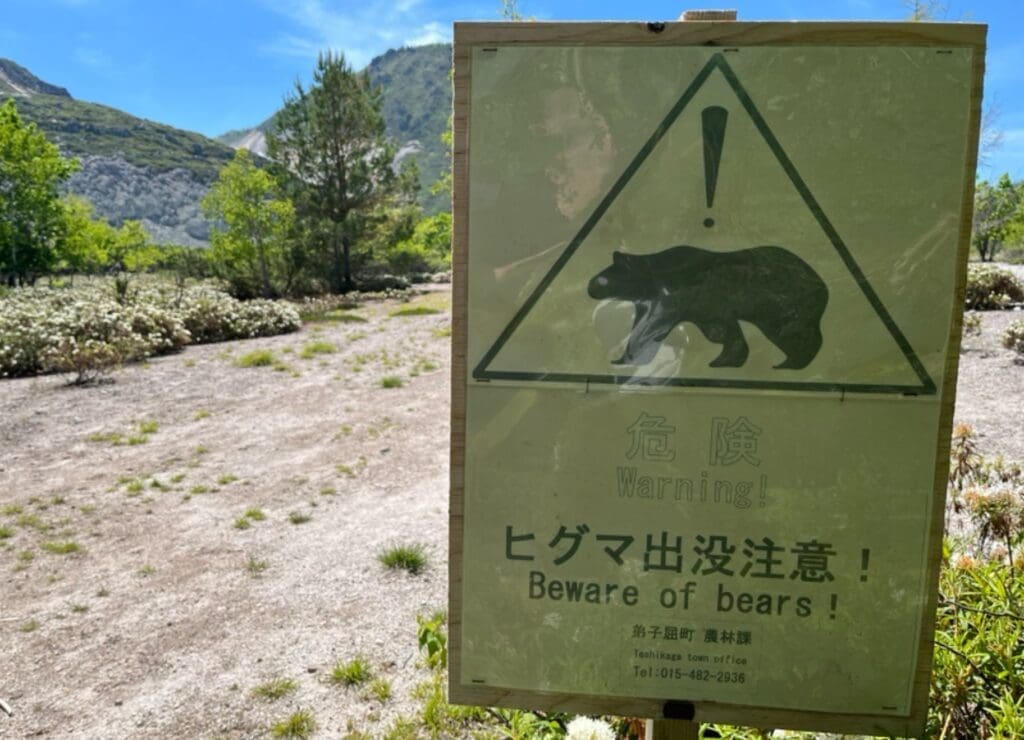
On every walk, we saw and heard plenty of birdlife (thanks to our guides, no birding app was required) and plenty of signs of bears (we can confirm that they do indeed defecate in the woods) – but mercifully no bears themselves. Our guides wore bells and clapped their hands every few minutes as we walked to ward any off – and now and then we had to adjust our route where there had been recent sightings.
At the edge of Japan
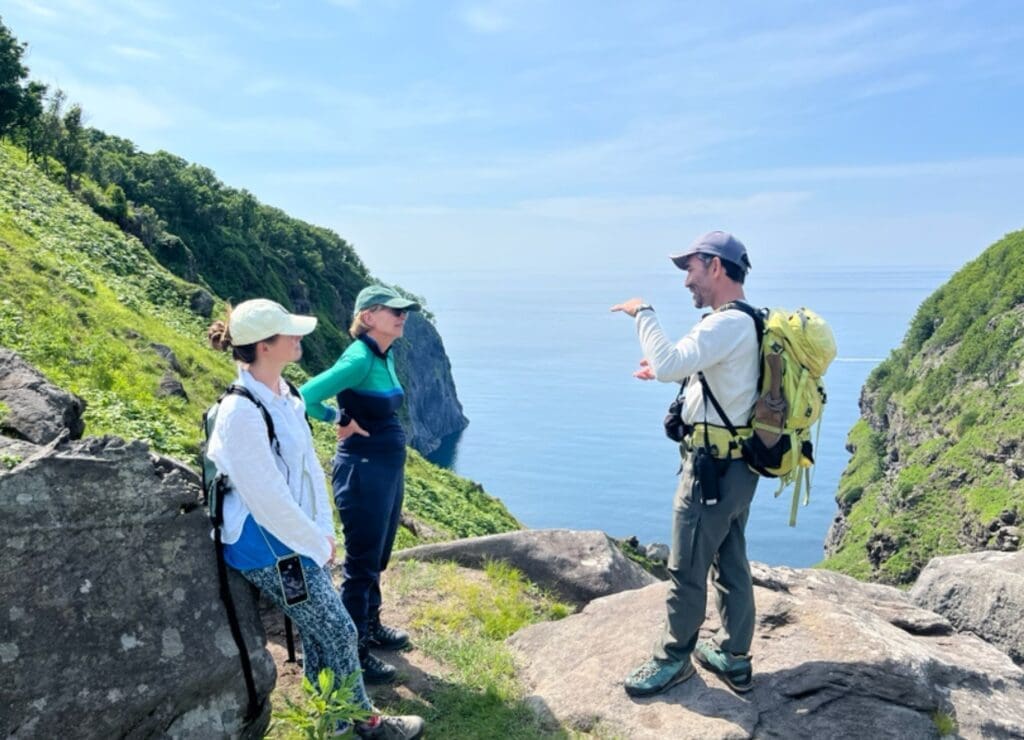
Our final adventure took us to the Shiretoko peninsula, a pristine national park and UNESCO World Heritage Site. Dramatic coastal views over the glass-like Sea of Okhotsk made for the perfect finale.
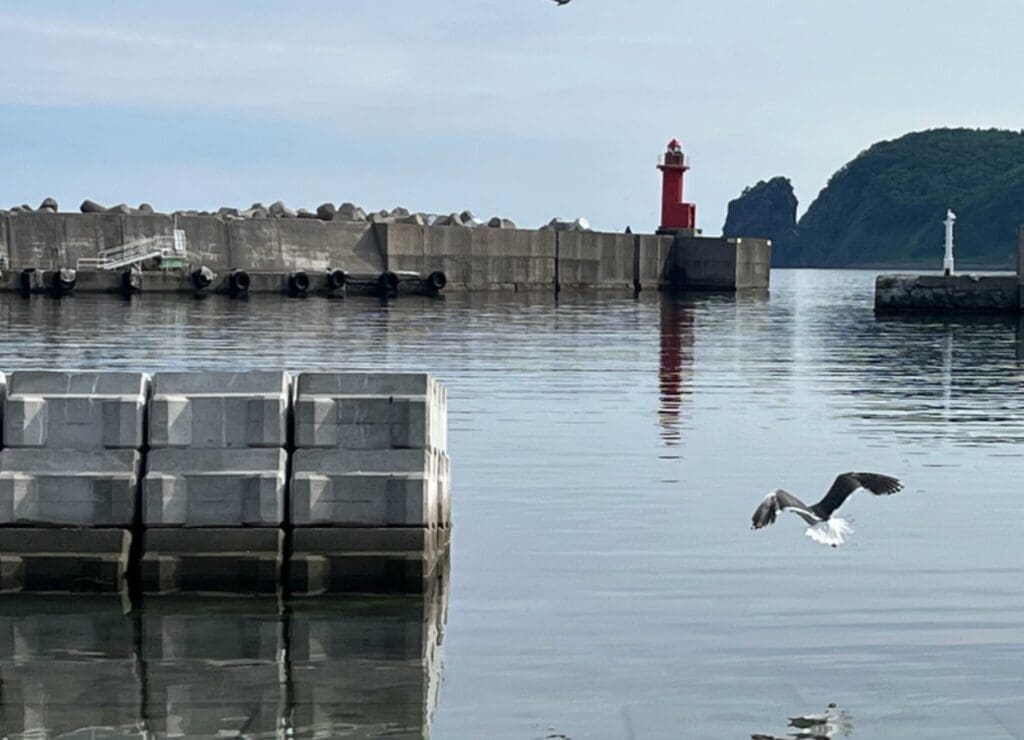
Our final hotel, in Utoro, overlooking the harbour, was also our favourite. It had a tranquil end-of-the-world feel, where every morning you heard the fishing boats head out to sea and every evening you could see the sun set, sitting on a terrace beside a cedar wood fire and with your feet in a hot spring footbath.
The lobby also had the best sound system we’ve ever heard: a huge handmade cabinet and speakers which had been programmed with an ever-changing playlist and with faultless taste.
The last tune it played as we left is a new firm favourite: “Present Voice” by Software (for the record…).
The soundtrack home
And that fleeting moment of sound seemed to acquire some significance, of bringing home to us once more why we love Japan and why we love exploring it this way – of Japanese precision, attention to detail and careful curation, of how Japan can have a habit of reflecting Europe back at you in new and unexpected ways, and the sheer serendipity of discovering for the first time the music of a German electronic duo from the 1980s in 2026 in a hotel lobby in the Japanese high north nearly 6,000 miles away.
Of finding the perfect tune in the perfect hotel in a perfect place that you would never have found on your own.
Eastern Hokkaido felt like one of Japan’s best-kept secrets, offering a wholly different experience from cities like Tokyo or Kyoto.
Every walk felt accessible rather than exhausting, giving us time to pause, breathe and absorb the surroundings.
We returned feeling physically stronger – and incredibly grateful for the experience.
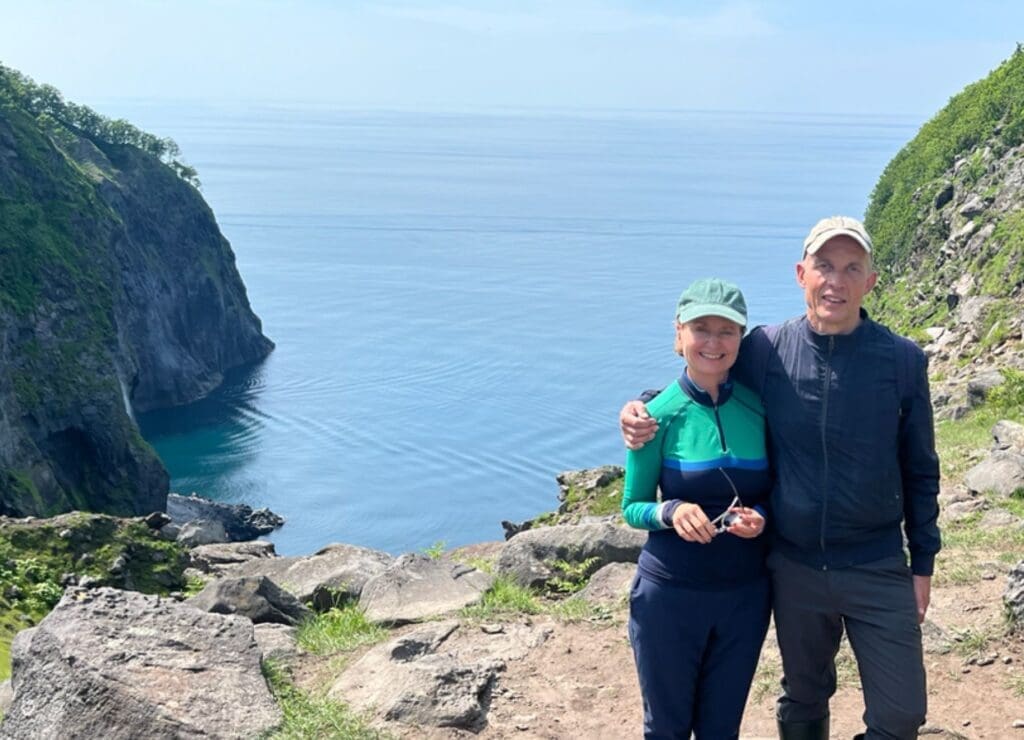
Thanks so much to Nick and Sarah for taking the time to share your story with us.
We hope reading it has transported you there, even if only for a few minutes. And if it’s left you feeling curious about Japan’s quieter corners – or inspired to seek out a few more wild places – we’d say it’s done exactly what we hoped.